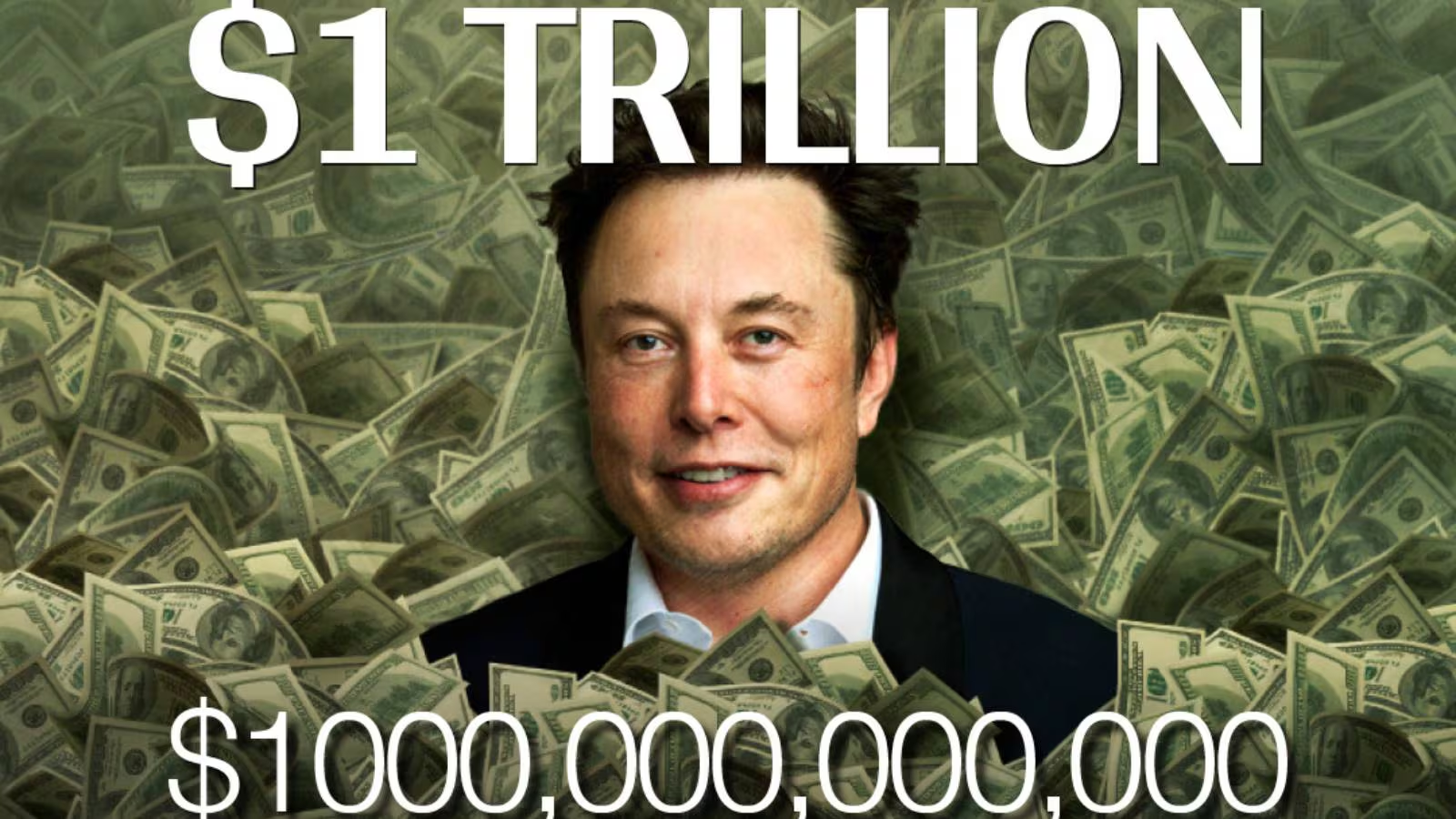
Elon Musk Just Became History’s First Trillionaire—Here’s How the Math Works
It’s official. The financial world has crossed a threshold that was once purely theoretical: humanity has its first trillionaire.
Following the blockbuster initial public offering (IPO) of SpaceX on the Nasdaq on June 12, 2026, Elon Musk’s net worth shattered the $1 trillion ceiling. To put that in perspective, if you spent $1 million every single day, it would take you over 2,700 years to burn through a trillion dollars.
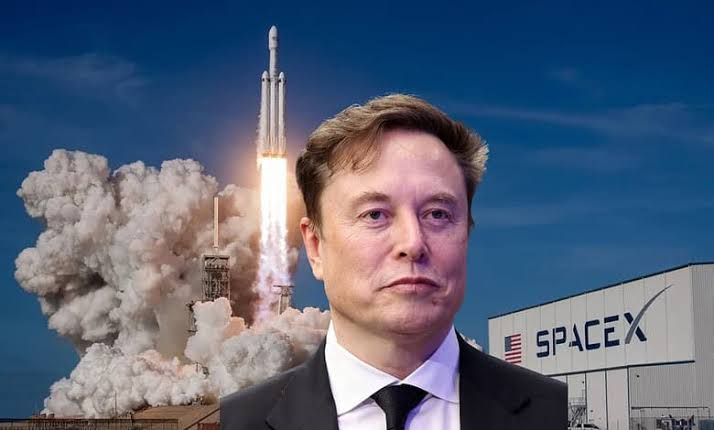
SpaceX’s IPO pushed Musk’s wealth past $1 trillion.. Source: The Siasat Daily
But how exactly did he get here? As anyone tracking wealth creation knows, this wasn’t built on a salary—it was built on aggressive equity and market valuation.
The Catalyst: The SpaceX IPO
While Musk has long held the title of the world’s wealthiest person, primarily driven by his stake in Tesla, it was the highly anticipated public debut of SpaceX that pushed him over the edge.
- The IPO Numbers: SpaceX debuted at $135 a share. Almost immediately, retail and institutional demand drove the price up roughly 19%, closing around $160 on its first day of trading.
- The Valuation: This surge gave SpaceX a staggering market capitalization of around $2.1 trillion, making it the sixth most valuable company in the world overnight—trailing only giants like Nvidia, Apple, and Microsoft.
- The AI Factor: Earlier in the year, Musk merged SpaceX with his artificial intelligence venture, xAI. Investors weren’t just buying into rockets and Starlink’s satellite internet; they were buying a massive infrastructure play that includes orbital data centers to power AI.
The Anatomy of a Trillion-Dollar Portfolio
Musk’s wealth isn’t sitting in a checking account; it is entirely tied up in the equity of the companies he runs. It’s a masterclass in long-term holding and compounding corporate value.
| Asset | Source of Value |
| SpaceX & xAI | Roughly $866 billion (driven by the recent $2.1T IPO valuation). |
| Tesla | Approximately $278 billion (Musk’s cornerstone wealth engine for years). |
| Other Ventures | Stakes in Neuralink (brain-computer interfaces), The Boring Company, and X (formerly Twitter). |
Note: Musk’s net worth is inherently volatile. Because it is tied to stock market performance, a broad tech sell-off or a dip in Tesla/SpaceX shares could temporarily drop him back into the billionaire bracket.
What This Means for the Rest of Us
For investors and market watchers, Musk’s milestone is a massive indicator of where capital is flowing. The market is heavily rewarding companies that own the underlying infrastructure of the future—whether that is EV grids, AI computation, or global satellite communication.
Interestingly, while the world debates the economic implications of a single individual holding this much wealth, Musk himself has hypothesized that traditional money might eventually become obsolete. He frequently argues that as AI and robotics drive the cost of goods and services close to zero, we will move toward an economy based on mass and energy rather than dollars and cents.
For now, however, the dollars still count. And as of today, the ceiling for global wealth creation has been officially rewritten.
Disclaimer: This article is for informational purposes only and is not intended as financial advice. The wealth metrics and market valuations discussed are based on recent events and are subject to market volatility. Mentions of individual stocks (such as SpaceX or Tesla) do not constitute an endorsement or investment recommendation. Always do your own research or consult a professional financial advisor before investing.